Review: Custom Excavator Heavy Vehicle Logo for Embroidery
As a designer who spends half my life staring at digitized files and the other half watching needles punch through fabric, I have learned to be skeptical of bold claims. We see countless Logos and Graphics marketed as "perfect for embroidery," only to find they are dense nightmares that puckers cotton or lose definition on textured fleece. When I pulled up the Custom Excavator Heavy Vehicle Logo for a recent client project, I approached it with that same critical eye. This is not just a picture of a machine; it is a branding asset for contractors, builders, and earthmoving service providers. The question is not whether it looks good on a screen, but whether it holds up under the needle.
First Impressions and Visual Personality
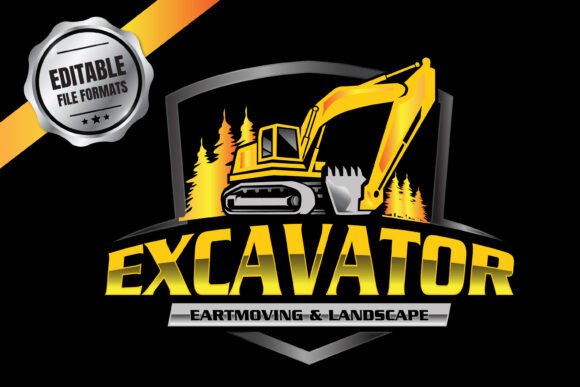
The immediate mood of this design is industrial strength. It does not try to be cute or overly delicate. The lines are assertive, reflecting the heavy-duty nature of the equipment it represents. For an embroidery designer, the layout is crucial. Many vehicle logos suffer from excessive detail in the wheels or cabin windows, which translates poorly into thread. However, this Custom Excavator Heavy Vehicle Logo appears to prioritize silhouette and recognizable form over microscopic realism. This is a smart choice. In embroidery, suggestion often works better than replication. The visual personality feels grounded and professional, making it an ideal candidate for workwear and branded merchandise where durability and clarity are paramount.
Real-World Application: The Contractor’s Sweatshirt
To truly test a design, you must imagine it on a specific product. I recently worked on a batch of custom apparel for a local excavation company. They needed something that screamed reliability. I chose to apply this logo to heavyweight cotton sweatshirts. The result was striking. Because the design relies on strong shapes rather than fragile details, it maintained its integrity even on the slightly uneven surface of the fleece. The fill stitch areas provided a solid, premium look that customers associate with high-quality commercial embroidery. It did not look like a cheap print; it looked like part of the garment. This is the kind of finished product that builds brand consistency and trust. When a client wears your work, they become a walking advertisement, and this design ensures that advertisement is legible from across the job site.
Versatility Across Product Lines
Beyond workwear, this design has surprising versatility for the Etsy seller or craft business owner. Consider the growing market for personalized gifts for children of construction workers. A simplified version of this logo could work beautifully as baby embroidery on onesies or bibs, provided the scale is adjusted correctly. It also translates well to home goods. Imagine this stitched onto a durable canvas tote bag design for a contractor’s spouse or as a quirky pillow cover for a nursery themed around building and engineering. The key is adapting the thread colors to suit the context. While yellow and black are standard for safety, using navy and grey can elevate the design for boutique small shop product lines that aim for a more modern, less industrial aesthetic.
Navigating Technical Challenges
However, no design is without its pitfalls. You must use caution when applying this to certain materials. If you are working with thin fabric, such as a lightweight t-shirt or a silk blend, the density of the fill stitches might cause pulling or distortion. In these cases, a high-quality cut-away stabilizer is non-negotiable. Additionally, curved surfaces like caps present a challenge. The width of the excavator arm may exceed the usable area of a standard cap hoop. You must check the dimensions carefully. If the design is too wide, it will wrap around the curve, distorting the image and causing registration issues between color changes. Always measure your hoop size against the design dimensions before committing to production.
Another consideration is stitch density. Heavy vehicles imply weight, and digitizers sometimes respond by packing stitches tightly. On textured fabrics like terry cloth towels or thick blankets, this can lead to thread breaks or needle heating. I recommend running a test on scrap fabric first. Check if the satin stitch borders are wide enough to cover the raw edges of the fill areas without being so wide that they tunnel. If the design includes tiny lettering or intricate mechanical details, verify that they do not turn into a blob of thread after washing. A simple black-and-white mockup can help you visualize contrast issues before you even thread the machine.
Enhancing Brand Value and Customer Trust
From a business perspective, the quality of your embroidery file directly impacts perceived value. A crisp, clean logo signals professionalism. For handmade product sellers, this means higher price points and better customer retention. When a buyer receives a personalized gift or a custom apparel item with a well-executed logo, they feel confident in the purchase. This design supports that confidence by offering clear lines and balanced proportions. It avoids the cluttered look that often plagues amateur design assets. Whether you are creating holiday embroidery gifts for family members in the trades or producing bulk orders for a corporate client, the clarity of this logo ensures that the brand message is received accurately.
Practical Notes for the Designer
Before you begin your next embroidery project, take a moment to review the technical specifications. Since exact file formats and license terms are not always explicit in every listing, you must confirm them. Ensure the digital embroidery file you purchase is compatible with your machine software. Check if the license allows for commercial use if you plan to sell embroidered patch items or finished garments. Always test different thread colors to see how they interact with your chosen fabric. A bright yellow may pop on black denim but disappear on white canvas. Use a running stitch outline if necessary to secure edges on slippery materials. Finally, consider the end-user. Will this item be washed frequently? If so, ensure your stabilizer choice and stitch density can withstand the agitation without losing shape.
In conclusion, the Custom Excavator Heavy Vehicle Logo is a robust tool for the serious embroiderer. It bridges the gap between rugged industrial aesthetics and refined stitch work. By respecting its technical requirements and leveraging its visual strengths, you can create products that stand out in a crowded market. Whether for a printable mockup preview or a tangible finished product, this design delivers the professional impact that clients expect.